

Thank you to everyone who joined us for September’s MCOS with Jingyuan Chen PhD! Missed it? The recording is available here.
More details and key announcements below!
We hope you enjoy it!
Date: October 17th, 2025
Time: 15:00 CEST, 09:00 EDT
Registration: Please register here.
Title: Metabolic connectivity features in Alzheimer’s disease
Speaker: Silvia Paola Caminiti
Abstract: Emerging evidence highlights that connectivity alterations in Alzheimer’s disease (AD) include not only hypo-connectivity, but also hyper-connectivity, particularly in limbic and cerebellar regions during the prodromal and early dementia stages. In a recent longitudinal multimodal study, it was demonstrated that hyper-connectivity is detectable with FDG-PET metabolic connectivity and is not merely compensatory. These findings converge with other recent reports showing that medial temporal and anterior-temporal hyper-connectivity mediates amyloid-related tau accumulation and accelerates neurodegeneration. Altogether, converging data suggest that hyper-connectivity, far from being a benign or compensatory feature, may actively drive AD progression by increasing metabolic burden and synaptic inefficiency. Understanding this dual landscape of hypo- and hyper-connectivity offers new insights into AD pathophysiology and may open perspectives for network-based biomarkers of disease progression.

Dr. Caminiti is an Assistant Professor at the Department of Brain and Behavioral Sciences at the University of Pavia in Italy. With a background in neuroimaging and neuroscience, she is dedicated to advancing our understanding of the intricacies of the brain and its functioning. Her primary research focus revolves around aging and neurodegenerative diseases. The goal of her research program is to examine selective neuronal vulnerability in Alzheimer’s and Parkinson’s disease using multimodal neuroimaging including PET and MRI.
The MCOS promotes rigor in research and resource sharing. We aim to hold MCOS every third Friday of the month, subject to change due to speaker availability. Please stay tuned for MCOS updates and reminders on social media! Thank you!
📝 Building multivariate molecular imaging brain atlases using the NeuroMark PET independent component analysis framework
Eierud et al. introduce the NeuroMark PET approach, utilizing spatially constrained independent component analysis (ICA) to define overlapping regions that may reflect the brain’s molecular architecture.
Read the full study in Aperture Neuro.
Key Findings:
📝 Glucose Metabolism echoes Long-Range Temporal Correlations in the Human Brain
In this study, Facca and colleagues explored the implications for individual-level metabolic regulation by integrating resting-state functional Magnetic Resonance Imaging (fMRI) and dynamic [18F]FDG Positron Emission Tomography (PET) data acquired from the same cohort of participants.
Read the full study preprint in bioRxiv.
Key Findings:
The MCWG Outreach Council invites you to submit announcements or information about papers, conferences, presentations or other events or news related to brain and molecular connectivity as well as any positions available or job opportunities that you wish to publicize and share with the community!
Please submit any material for consideration by the final day of each month using this form – thank you!
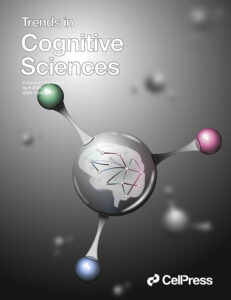
The MCWG is made up of four international and multidisciplinary councils dedicated to promoting molecular connectivity research via dissemination of methods, results, collaboration, and resource sharing (e.g. datasets, tools) within the scientific community. We encourage the neuroscientific community to take an integrative perspective in study of the brain connectome, where various methods including MRI-based techniques, electrophysiological tools, and molecular imaging advance our understanding of the brain. Please find fundamental questions outlined here: “Brain connectomics: time for a molecular imaging perspective?”
Our website can be found here. We also invite you to join the MCWG!