

More details and key announcements below!
We hope you enjoy it!
Date: September 19th, 2025
Time: 15:00 CEST, 09:00 EDT
Registration: Please register here.
Title: Simultaneous EEG-PET-MRI identifies temporally coupled, spatially structured hemodynamic and metabolic dynamics across wakefulness and NREM sleep.
Speaker: Jingyuan Chen
Abstract: Sleep induces profound changes in cerebral hemodynamics and metabolism, yet how these processes unfold across wakefulness and sleep, as well as their spatiotemporal dependence remains largely unknown. In this talk, Dr. Chen will present her recent work integrating functional PET (fPET)-FDG with simultaneous EEG-fMRI to track physiological dynamics across the sleep–wake cycle. Findings show that global hemodynamic and metabolic signals are tightly coupled during the descent into NREM sleep, both closely tracking EEG arousal dynamics. There were identified two distinct network patterns in NREM sleep. These findings shed light on how sleep can diminish awareness while preserving sensory responsiveness, revealing a complex, alternating balance of hemodynamic and metabolic processes in the sleeping brain. This work also highlights the potential of EEG–PET–MRI for probing the neuro-hemo-metabolic underpinnings of cognition and arousal in humans.

Dr. Chen is an Assistant Professor at the Martinos Center for Biomedical Imaging at Massachusetts General Hospital and Harvard Medical School. She received her Ph.D. from Stanford University, with a major in Electrical Engineering and a minor in Statistics. Following graduation, she pursued further training in neuroimaging as a postdoctoral fellow at the Martinos Center. Her lab advances multimodal dynamic functional imaging techniques and computational approaches to investigate the biophysical and molecular mechanisms underlying intrinsic brain activity, as well as the neurobiological consequences of cognition, arousal, and disease.
Date: October 17th, 2025
Time: 15:00 CEST, 09:00 EDT
Registration: Please register here.
Title: Metabolic connectivity features in Alzheimer’s disease.
Speaker: Silvia Paola Caminiti
The MCOS promotes rigor in research and resource sharing. We aim to hold MCOS every third Friday of the month, subject to change due to speaker availability. Please stay tuned for MCOS updates and reminders on social media! Thank you!
📝 On the analysis of functional PET (fPET)-FDG: baseline mischaracterization can introduce artifactual metabolic (de)activations
Coursey et al. investigated how inaccuracies in modeling baseline FDG uptake can introduce artifactual patterns to detrended time-activity curve (TAC) residuals, potentially introducing spurious (de)activations to general linear model (GLM) analyses.
Read the full study in Imaging Neuroscience.
Key Findings:
📝 Stable brain PET metabolic networks using a multiple sampling scheme
In this study, Shu and colleagues used brain [18F]fluoro-2-deoxyglucose PET data from 1,227 individuals in the Alzheimer’s disease (AD) continuum from the Alzheimer’s Disease Neuroimaging Initiative cohort to develop a novel method for constructing stable metabolic brain networks that are resilient to spurious data points.
Read the full study preprint in Network Neuroscience.
Key Findings:
📝 Comparative evaluation of graph construction methods for individual brain metabolic network from FDG-PET images: an ADNI study in healthy subjects
Graph theory is emergently applied to model brain networks at individual level; however, the choice of graph construction method can significantly impact analytical outcomes. In this study, methods for building individual graphs from FDG-PET images in healthy control subjects were systematically evaluated and compared by Tuan et al.
Read the full study preprint in Eur J Nucl Med Mol Imaging.
Key Findings:
The MCWG Outreach Council invites you to submit announcements or information about papers, conferences, presentations or other events or news related to brain and molecular connectivity as well as any positions available or job opportunities that you wish to publicize and share with the community!
Please submit any material for consideration by the final day of each month using this form – thank you!
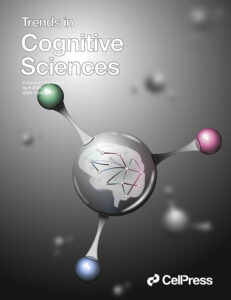
The MCWG is made up of four international and multidisciplinary councils dedicated to promoting molecular connectivity research via dissemination of methods, results, collaboration, and resource sharing (e.g. datasets, tools) within the scientific community. We encourage the neuroscientific community to take an integrative perspective in study of the brain connectome, where various methods including MRI-based techniques, electrophysiological tools, and molecular imaging advance our understanding of the brain. Please find fundamental questions outlined here: “Brain connectomics: time for a molecular imaging perspective?”
Our website can be found here. We also invite you to join the MCWG!